
01
Define the useful answer
We identify the user, source data, desired output, acceptable risk, and measurable quality target for the AI feature.
LaunchPad™ helps teams integrate grounded AI assistants, semantic search, document workflows, and LLM-powered features into existing products and internal systems with security, citations, evaluation, and maintainability in mind.

Why this matters
A useful generative AI feature needs more than a chat box. It needs the right data, retrieval strategy, access controls, evaluation set, and production monitoring.
What is included
Use-case, data-readiness, and risk assessment
Model and architecture evaluation based on quality, latency, and cost
RAG pipelines, retrieval, reranking, prompts, and citations where appropriate
Integration with your product, knowledge base, or internal workflow
Authentication, authorization, privacy, and logging controls
Automated evaluations, observability, documentation, and handoff
Delivery process
Each LaunchPad™ engagement starts with the business problem, then moves into the technical decisions required to make the build useful, maintainable, and easier to improve over time.
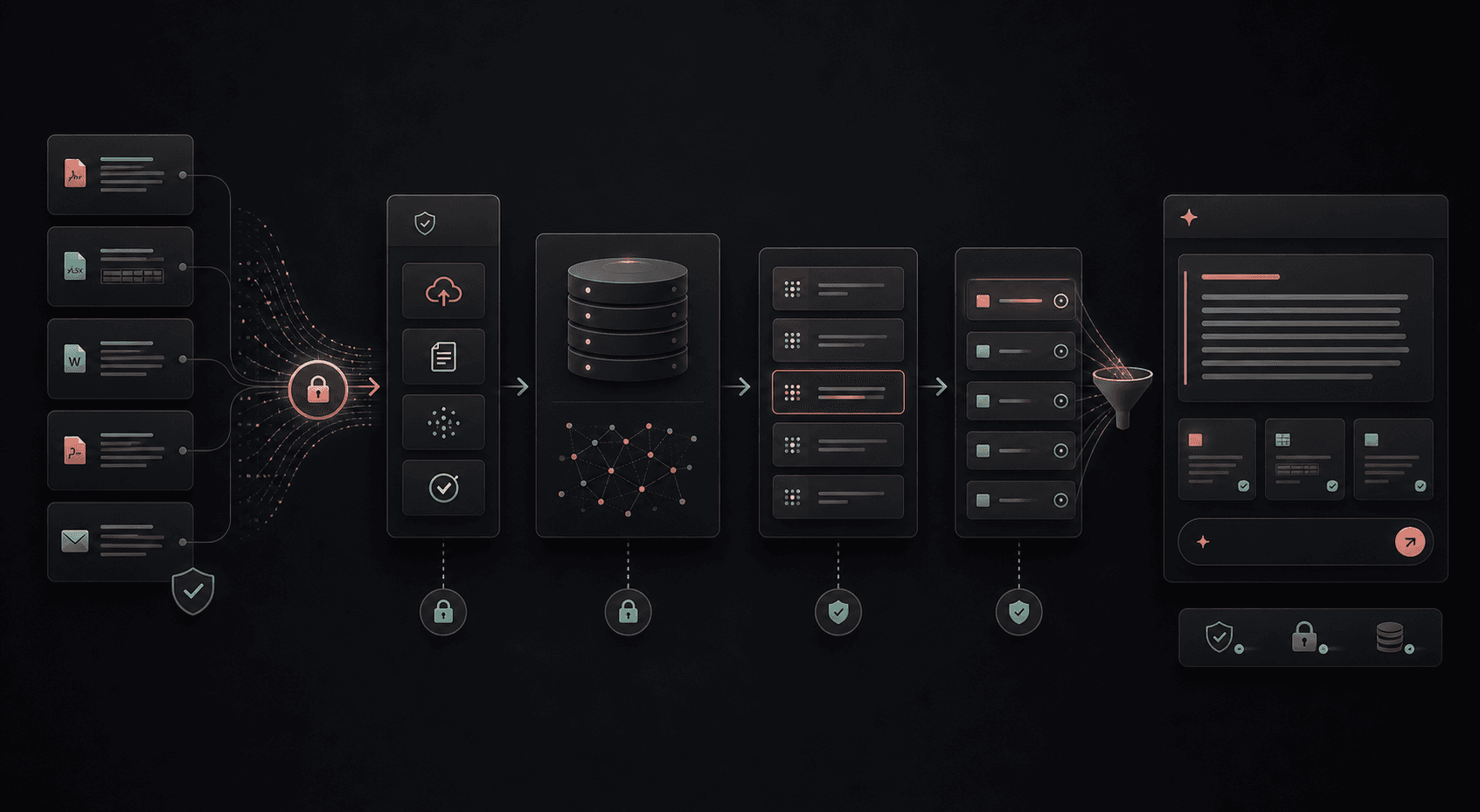
We identify the user, source data, desired output, acceptable risk, and measurable quality target for the AI feature.
We compare model, retrieval, hosting, privacy, latency, and cost tradeoffs instead of forcing every use case into the same architecture.
We connect approved data, implement the user experience and backend, and add citations or source context when the use case benefits from them.
We test answer quality, retrieval, safety, speed, and cost, then add monitoring and documentation for production use.
Common use cases
LaunchPad™ proof points
Websites built
Expert developers
FAQ
Generative AI integration adds model-powered capabilities to an existing product, knowledge base, or workflow. Examples include grounded assistants, semantic search, document processing, drafting support, and application features powered through an LLM API.
Retrieval-augmented generation, or RAG, retrieves relevant information from approved sources before a model answers. It can help when responses need current business context, source citations, or user-specific access to private knowledge.
Not always. Many projects should first evaluate prompt design, structured outputs, retrieval, and workflow changes. Fine-tuning is considered when the use case and test results show a clear reason for it.
Yes, when the current system has a workable integration path and the required data can be accessed securely. Discovery identifies the best way to add the capability without rebuilding more than necessary.
Related software services
Custom software development services for businesses that need web apps, backend systems, integrations, and workflow-specific tools built around real operations.
Web app development services for portals, dashboards, SaaS-style products, internal tools, and customer-facing platforms built for business workflows.
MVP development services for founders and businesses that need to validate a software idea, launch core features, and learn before overbuilding.
Book a free LaunchPad™ software consultation and we will help clarify the right build path, whether you need a new system, an improvement, or dedicated development support.
Instant answers
Get help with services, pricing, or connect with our team.